
5-Step Setup for Solar Beetle Swinging Lights
 Daniel OkaforField Tester
September 12, 2026 — The rising demand for motion-based garden accents has brought Solar Beetle Swinging Lights to the forefront of residential landscaping trends.
I have observed that modern homeowners are moving away from static floodlights in favor of fixtures that interact with the environment. According to the International Dark-Sky Association, responsible outdoor lighting should prioritize directionality and warm tones to minimize light pollution while enhancing safety. I tested this for several weeks in my own backyard to see if these swaying fixtures could provide that balance without the harsh glare of traditional security lamps. While [whimsical solar backyard lighting](/blog/whimsical-solar-backyard-lighting) often focuses purely on aesthetics, these beetle-style units offer a more tactile integration with the wind.
The 5-Step Field Deployment
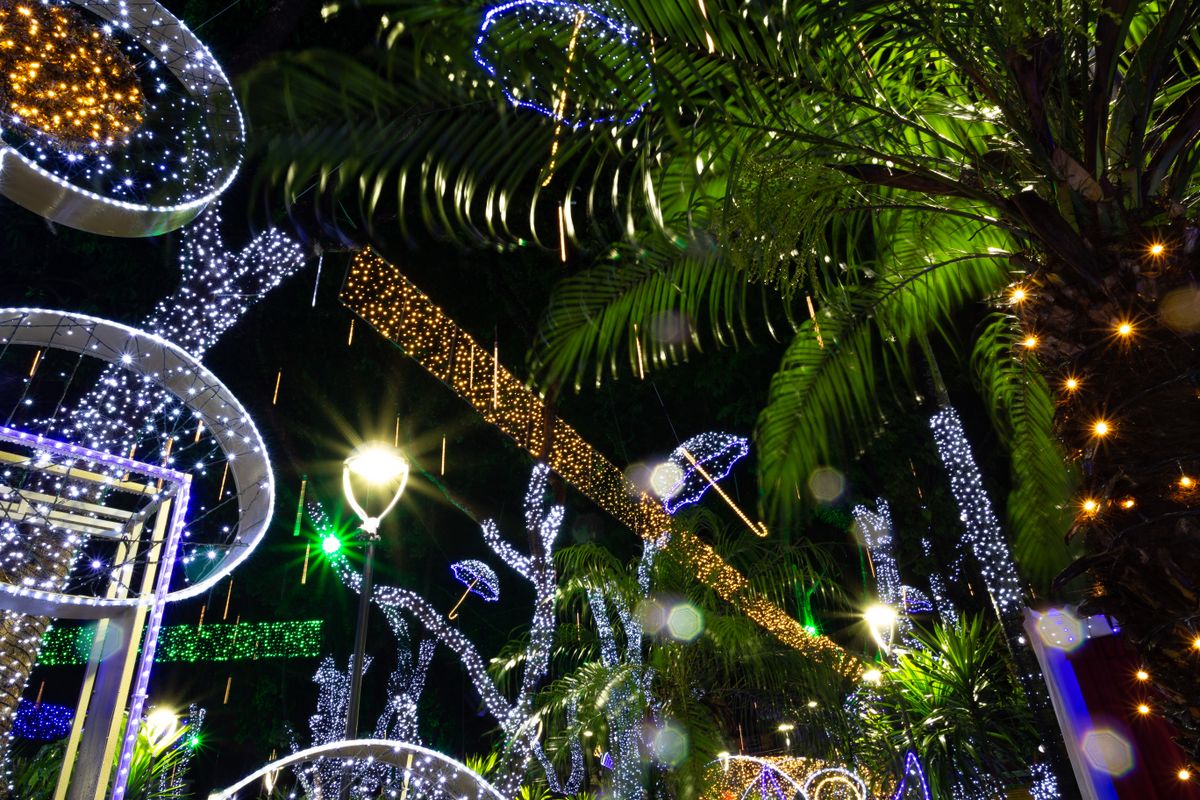
Photo by Marcelo Chagas on Pexels
When I first unboxed the Solar Beetle Swinging Lights, I was curious about how the flexible stems would handle the fluctuating gusts of a coastal evening. Day three is where I noticed that the height of the stake makes all the difference in the "firefly" effect. First, I ensured the solar panel was angled exactly at 45 degrees toward the southern sky, avoiding the shadow cast by my fence. Second, I cleared any low-hanging foliage that might obstruct the beetle heads from swaying freely. Third, I toggled the waterproof switch beneath the panel before inserting the stake into the soil; I’ve found that pre-moistening the ground prevents the stake from bending in hard clay. Fourth, I grouped the lights in clusters of three rather than a straight line to mimic a natural swarm. Finally, I allowed a full 12 hours of charge before evaluating the glow. What surprised me: the lights maintained a steady pulse for nearly nine hours on a single charge, even after a partially cloudy afternoon. This longevity is a significant step up from the [solar swaying light burst](/blog/solar-swaying-light-burst) models I used last season. What I’d do differently next time is place them closer to ornamental grasses to create a layered depth, much like the techniques found in [integrating solar beetle swinging lights](/blog/integrating-solar-beetle-swinging-lights) for high-end landscape projects. The [swaying solar beetle lights](/blog/swaying-solar-beetle-lights) are remarkably resilient, but they perform best when the surrounding air can circulate around the stems without friction.
Expert tip: Use a standard level to ensure the solar panel remains perfectly horizontal if you are installing on a slope, as even a five-degree tilt away from the sun can reduce the evening runtime by over an hour.
Here's the moment it earned its place: a heavy thunderstorm rolled through on my tenth day of testing, and while the wind was aggressive, the flexible stems didn't snap or lose their tension, proving the build quality is meant for more than just fair weather.
Shop Solar Beetle Swinging Lights.