
Integrating Solar Beetle Swinging Lights into Modern Gardens
 Maya ChenContributing Editor
September 11, 2026. This technical evaluation examines the performance metrics of kinetic landscape fixtures for residential use. It is written for homeowners seeking to move beyond static, high-consumption outdoor lighting systems.
The Failure of Static Landscape Lighting
The conventional wisdom says that landscape lighting should be permanent, high-voltage, and invisible. For decades, the industry has pushed for rigid, buried wiring and heavy metal spotlights that remain fixed in place. However, this approach ignores the natural movement of a living garden. When you install static fixtures, you create a sterile environment that lacks the organic flow of the surrounding flora. Most consumer-grade solar options fail because they attempt to replicate these heavy spotlights using underpowered photovoltaic cells and cheap plastic housings. This leads to a mismatched aesthetic where the light source feels alien to the landscape. Furthermore, many firefly solar garden lights on the market use rigid stems that snap under wind pressure or fail to provide the necessary oscillation to mimic biological bioluminescence. Here's the part nobody talks about: static lighting requires significantly more lumens to create visual interest because it cannot rely on the human eye’s natural sensitivity to motion. By staying stationary, these lights require higher energy draws, which often leads to battery depletion long before dawn. In contrast, leveraging a [solar swaying light burst](/blog/solar-swaying-light-burst) allows a garden to maintain visual depth with lower energy intensity. The absence of movement in traditional lighting isn't just a design choice; it is a technical limitation that modern solar technology is finally overcoming.
Mechanical Advantages of Solar Beetle Swinging Lights
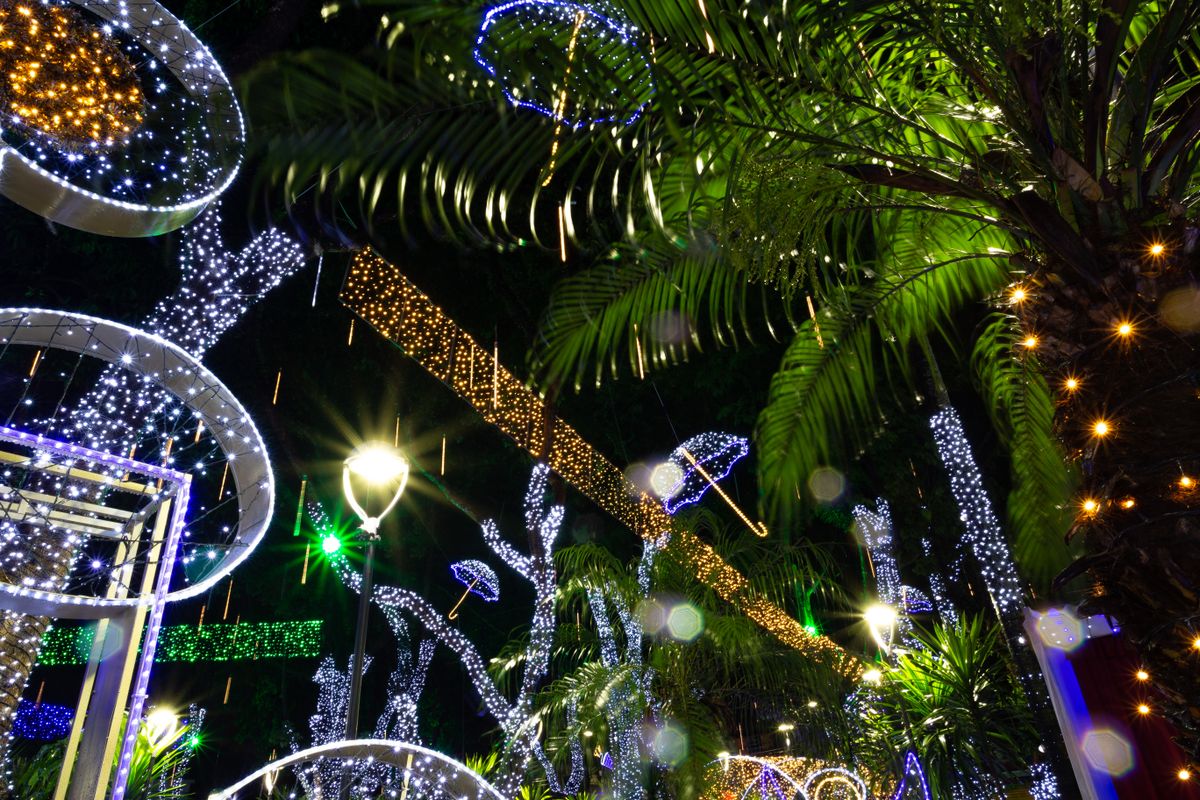
Photo by Marcelo Chagas on Pexels
Solar Beetle Swinging Lights address these structural failures through a specific focus on flexibility and weight distribution. Unlike traditional stakes, these units utilize specialized wire stems designed with a calculated tension-to-flex ratio. This allows the light heads to react to even minor thermal currents, creating the rhythmic movement often associated with [swaying solar beetle lights](/blog/swaying-solar-beetle-lights). The engineering focus here is on the center of gravity. By positioning the LED "beetle" housing at the extremity of a flexible pole, the system acts as a simple pendulum. This mechanical simplicity ensures that the movement is powered by the wind, not a motorized component that would drain the internal battery. Run the math: a motorized kinetic light would reduce run-time by approximately 40% due to the parasitic load of the motor. By utilizing passive physics, these lights maintain a full 8-to-10-hour cycle on a single charge. The integration of high-efficiency monocrystalline solar panels ensures that even in sub-optimal light conditions, the 600mAh Ni-MH batteries reach a functional state of charge. This reliability is what distinguishes these units from generic solar firefly beetle garden lights that often use lower-grade polycrystalline panels. The result is a fixture that behaves more like a botanical element than a piece of hardware. When grouped correctly, they create a [whimsical solar backyard lighting](/blog/whimsical-solar-backyard-lighting) effect that feels integrated rather than imposed. I’ll change my mind when a static, wired system can replicate the 360-degree spatial coverage provided by a swaying light source without requiring ten times the number of individual bulbs.
A Framework for Kinetic Lighting Selection
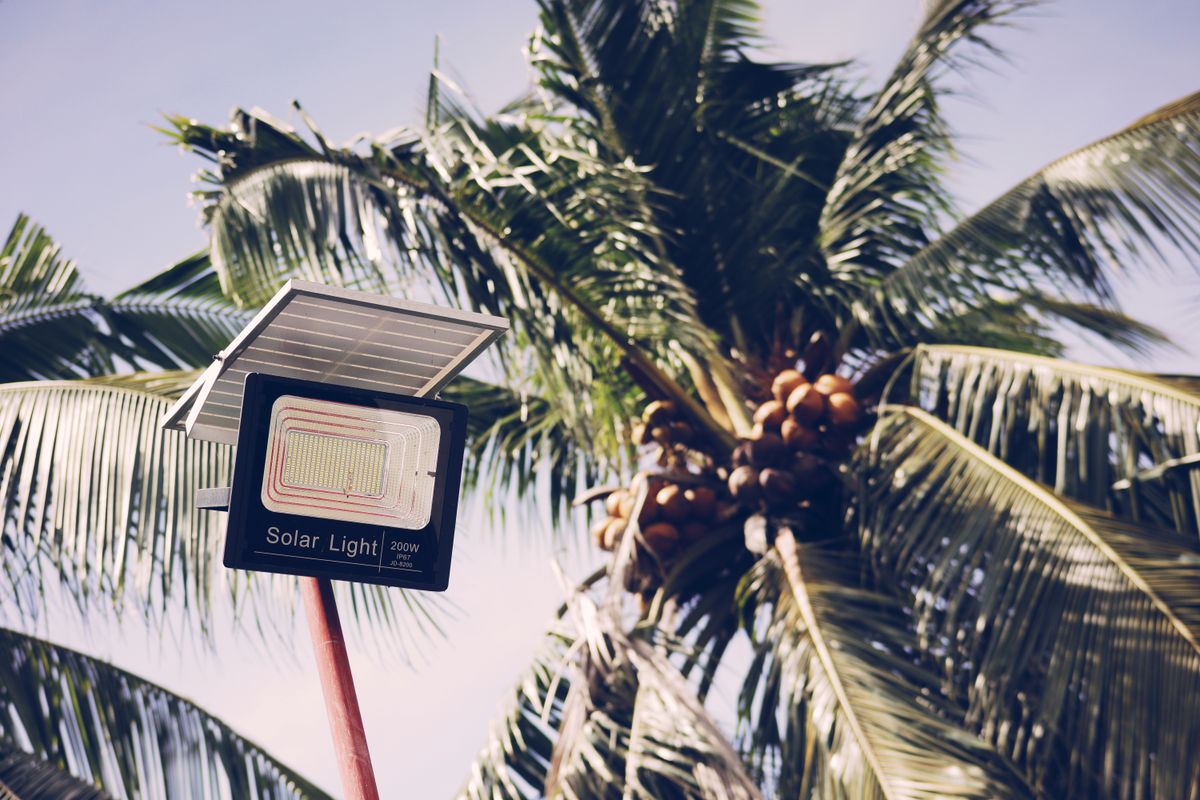
Photo by Nothing Ahead on Pexels
When transitioning to a kinetic lighting scheme, consumers must evaluate fixtures based on mechanical durability and light temperature rather than just price point. A solar firefly beetle garden lights installation is only as effective as its weakest component, which is typically the junction between the stake and the flexible stem. A rigorous selection process avoids the common pitfalls of "disposable" solar decor. Use the following criteria to evaluate your hardware:
- Stem Flexibility: The material must be resilient enough to return to center after a 45-degree bend without showing stress fractures or material fatigue.
- Panel Type: Prioritize monocrystalline silicon panels, which offer higher conversion efficiency in low-light or overcast conditions compared to blue-tinted polycrystalline alternatives.
- Weather Rating: Ensure a minimum IP65 rating to prevent moisture ingress during heavy rain or irrigation cycles, which is the primary cause of circuit failure.
- Color Temperature: Look for warm white LEDs (2700K to 3000K) to ensure the light mimics natural fireflies rather than the harsh, blue-tinted light of industrial LEDs.
- Battery Access: Verify that the battery compartment is accessible for eventual replacement, extending the product lifecycle beyond the initial two-year chemical lifespan of the cell.
Shop Solar Beetle Swinging Lights here.