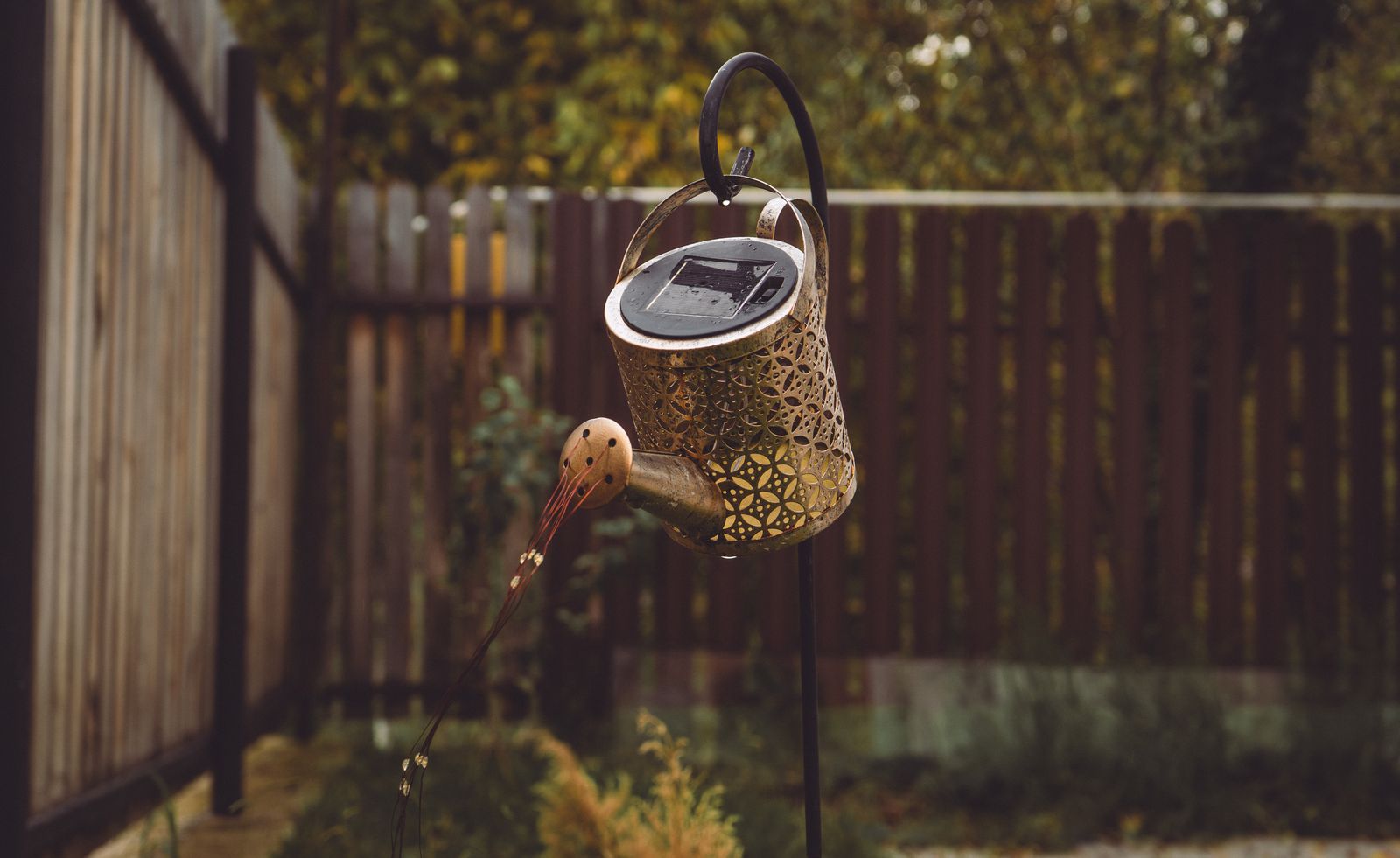
Installing Solar Beetle Swinging Lights for Kinetic Garden Effects
 Sam VasquezBuying Guide Lead
August 4, 2026. This guide outlines the technical placement and installation steps for integrating motion-based lighting into residential landscapes. It is intended for homeowners seeking to balance aesthetic movement with reliable solar performance.
The Challenge of Static Garden Lighting
Traditional outdoor lighting often suffers from a lack of visual depth, resulting in a landscape that feels flat once the sun goes down. Most fixed stake lights provide a pool of light but do not interact with the natural environment. According to the International Dark-Sky Association, effective outdoor lighting should be targeted and functional while minimizing glare, yet many consumers find that standard LED stakes create harsh hotspots rather than a cohesive atmosphere. When you rely solely on static fixtures, you lose the opportunity to highlight the natural movement of wind through your flower beds or shrubbery. This is where beetle garden stakes solar offer a distinct advantage by utilizing flexible stems that respond to ambient air currents.
If you are looking for a light that stays perfectly still and provides high-intensity security illumination, these are not the right choice. Skip this if you need a floodlight for a driveway or a path light that must remain rigid in high-velocity wind zones. However, for those trying to mimic the organic feel of fireflies or nocturnal insects, the swaying mechanism is essential. I have found that the primary frustration with motion-based solar decor is poor placement, where the "swing" is blocked by dense foliage or the solar panel is shaded by the very plants the light is meant to highlight. Understanding the spatial requirements of beetle garden decor solar powered units is the first step toward a successful installation.
Optimizing Solar Beetle Swinging Lights Performance
Photo by Artūras Kokorevas on Pexels
To get the most out of Solar Beetle Swinging Lights, you have to prioritize the solar cell's access to direct UV rays. These units feature a high-efficiency monocrystalline panel located on the central stake. Because the "beetles" sit on flexible wires above the panel, you must ensure that the surrounding flora does not grow over the sensor during the peak summer months. In my experience, the best results come from placing the stakes in a staggered formation. This creates a layered effect where the swaying motion overlaps, rather than having a single line of lights moving in unison. You can see how this looks in practice by checking out a field review: Solar Beetle Swinging Lights performance, which details how the battery holds up under different weather conditions.
Between these two common methods—lining a path or clustering in a flower bed—I'd go with clustering. When these lights are grouped together, the collective motion is much more convincing as a natural element. The technical setup is straightforward: the stakes are pushed into softened soil, and the individual wires are gently spread outward to give the "beetles" room to oscillate. If you're on a budget, you might be tempted to buy cheaper, rigid plastic stakes, but you'll lose the kinetic benefit that defines this specific product. The swaying mechanism relies on the specific gauge of the wire stems, which are tuned to move even in a light breeze. For a more comprehensive look at how these fit into a broader design scheme, I recommend integrating Solar Beetle Swinging Lights into modern gardens for layout inspiration.
Installation and Positioning Framework
Photo by JINU JOSEPH on Pexels
When I am setting up a new set of these lights, I follow a specific sequence to ensure they don't just look good on night one, but continue to function through the season. The goal is to maximize the "swing" while protecting the internal electronics from water logging. Here is what I'd actually buy and do to get the job done right:
- Soil Preparation: Ensure the ground is moist before inserting the stakes to avoid bending the lower pole. Never hammer the top of the light.
- Sunlight Mapping: Identify a spot that receives at least six hours of unobstructed sunlight. Avoid placing them directly under large deciduous trees.
- Spacing for Motion: Leave at least 12 inches between each stake to prevent the swaying wires from tangling during heavier gusts.
- Height Calibration: Adjust the depth of the stake so the solar panel sits just above the lowest leaf line of your garden plants.
- Operational Check: Toggle the waterproof switch to the 'On' position before final placement; it is much harder to reach once the light is surrounded by mulch.
Shop Solar Beetle Swinging Lights here.
Cover photo by Gurgenidze G on Pexels.