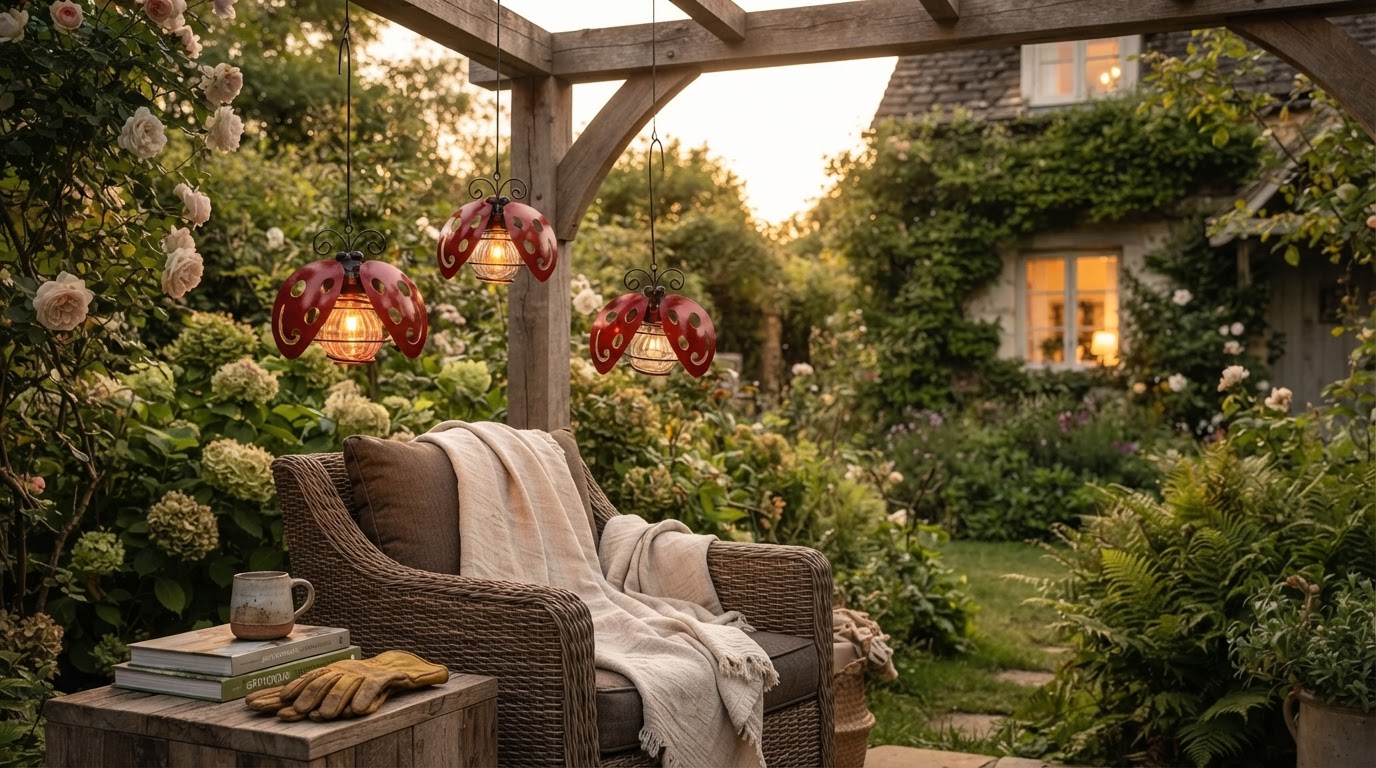
Solar Beetle Swinging Lights Performance Evaluation
 Priya RamanSenior Analyst
October 18, 2026 — The recent surge in kinetic garden ornamentation has positioned Solar Beetle Swinging Lights as a primary solution for homeowners seeking to blend biological aesthetics with renewable energy. This shift reflects a broader consumer interest in "living" landscapes that respond to environmental stimuli rather than remaining static.
Modern outdoor ladybug solar lights are no longer limited to simple plastic shells; they now incorporate advanced materials and specialized mounting systems. While platforms like Pinterest showcase a variety of DIY ladybug solar light ideas using clay pots and paint, commercial-grade units focus on longevity and light dispersion. The decision to integrate these into a garden requires balancing visual charm with technical reliability, particularly regarding battery cycles and weatherproofing. Once you see it this way, the choice between a static stake and a swinging unit becomes a matter of functional design rather than just color preference.
The Reliability and Motion Matrix
Photo by 🇻🇳🇻🇳Nguyễn Tiến Thịnh 🇻🇳🇻🇳 on Pexels
To evaluate these fixtures, we look at the interaction between kinetic movement and light output. The decision rule for Solar Beetle Swinging Lights centers on two axes: the flexibility of the mounting stem and the efficiency of the photovoltaic conversion. Unlike standard beetle path lights solar powered which remain fixed, the swinging variant utilizes a high-tensile wire that allows the ladybug to oscillate in the wind. This movement requires the internal components to be securely seated to prevent rattling or electrical disconnection. The internal Ni-MH battery is designed to provide consistent power even as the unit moves, ensuring the red LED remains illuminated for up to 8 hours under optimal charge conditions. When integrating solar beetle swinging lights into modern gardens, placement becomes critical; the light must receive direct sunlight during the day to ensure the 1.2V charging cycle completes. The IP65 rating of the Solar Beetle series ensures that the internal circuitry is protected from moisture ingress during heavy rain, a common failure point in lower-tier led ladybug solar stakes. By viewing the garden as a dynamic space rather than a collection of fixed objects, the Solar Beetle Swinging Lights provide a layer of depth that traditional lanterns cannot replicate. The high-density ABS plastic used in the beetle casing resists UV degradation, maintaining the vibrancy of the red finish over several seasons of exposure.
Expert tip: To maximize the swinging effect, install the lights in clusters of three at varying heights, ensuring they are positioned in wind-prone corridors away from dense shrubbery that might block their movement.
Choosing the right ladybug lighting involves weighing the novelty of the design against the practicalities of outdoor maintenance and runtime requirements. The Solar Beetle line offers a distinct advantage for those prioritizing motion and durability in their landscape.
Shop Solar Beetle Swinging Lights.