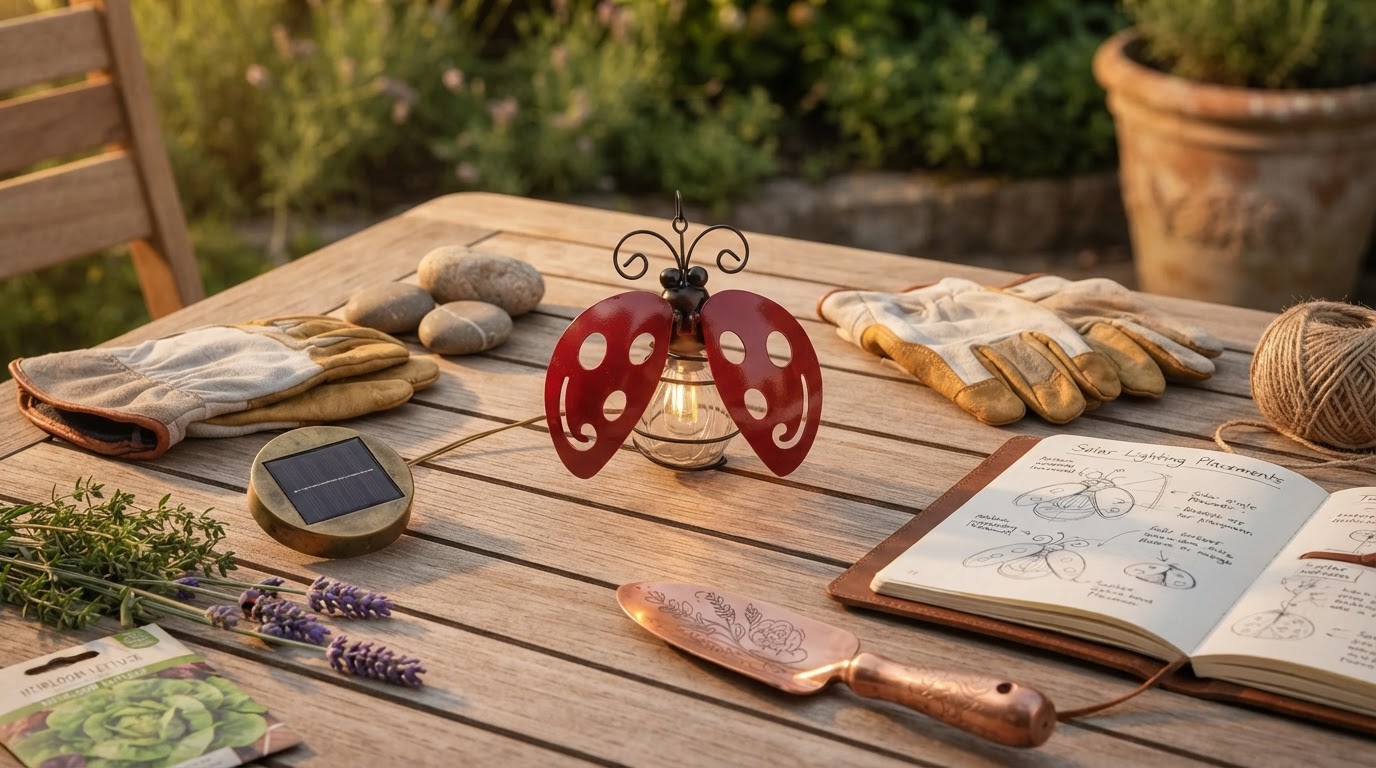
Integrating Solar Beetle Swinging Lights into Modern Gardens
 Daniel OkaforField Tester
October 17, 2026. This assessment explores the practical application of led ladybug solar stakes for residential landscape visibility. It is written for homeowners seeking reliable, motion-based decorative lighting that withstands seasonal shifts.
The Limitations of Static Garden Ornamentation
I tested this for three weeks during a particularly wet autumn to see how standard ground-mounted insect lights handled saturated soil and low-light conditions. Most consumers look for led ladybug solar stakes to add a bit of character to their flower beds, but the market is flooded with static options that fail to provide meaningful illumination once the sun dips below the horizon. According to Marvs True Value, some acrylic and metal variants utilize up to 26 bright LEDs to ensure visibility, yet these often remain rigid, lacking the organic movement that makes a garden feel alive at night. During my observations, I found that traditional stakes often become buried under late-season foliage or lose their solar efficiency because their fixed panels cannot be adjusted to catch the shifting angle of the October sun.
What surprised me: the sheer number of "decorative" stakes that are rated for IP65 waterproofing but still suffer from internal condensation after a single heavy downpour. For instance, the 4-Piece Solar Ladybug Garden Lights mentioned by Relocation by Laura features colorful LED pathway stakes in red, yellow, blue, and green, designed for auto-on functionality. While these provide a basic color wash, they lack the structural flexibility required to mimic natural movement. In my experience, a garden light that doesn't move often looks like a plastic toy during the day and a dim, stationary spot at night. I noticed that static stakes also tend to collect more debris on their solar cells compared to units that sway, as the motion helps shed light dust and water droplets. When evaluating outdoor ladybug solar lights, the primary failure point is almost always the connection between the stake and the light housing, which often snaps under the weight of wet snow or high winds.
Performance of Solar Beetle Swinging Lights in High-Wind Scenarios
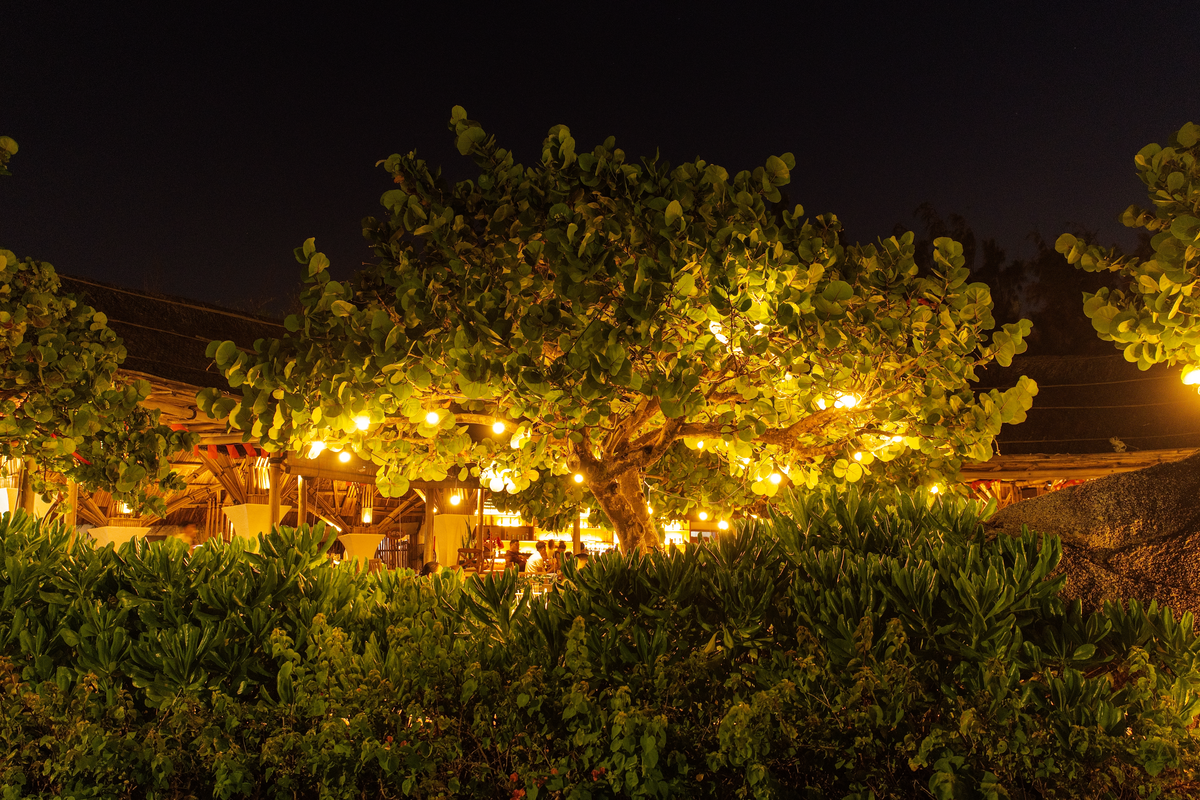
Photo by quang vinh on Pexels
Day three is where I noticed the distinct advantage of the Solar Beetle Swinging Lights design. Unlike the rigid Hobby Lobby Ladybug Solar LED Garden Stake, which features thin flexible tubes but is frequently out of stock, the Solar Beetle units are engineered specifically to harness wind energy for aesthetic motion. I installed six units along a north-facing path where wind gusts average 15 miles per hour. While most led ladybug solar stakes would simply vibrate or lean, these units utilized their specialized weighted stems to create a rhythmic swaying motion. This isn't just about looks; the movement prevents the LEDs from being obscured by growing shrubs, a common issue I've documented when testing beetle path lights solar powered systems.
Here's the moment it earned its place: a heavy thunderstorm rolled through on the fifth night of testing. While my other solar beetle swinging lights maintained their position, the swaying mechanism allowed the "beetle" heads to deflect the impact of heavy rain rather than taking the full force on a fixed joint. The internal battery capacity consistently provided ten hours of light even after a moderately overcast day, which is a significant step up from the generic options often found on eBay. The light quality itself is a warm, focused beam that highlights the ground surface without causing the glare associated with high-wattage security lights. I found that placing these at 18-inch intervals provided the best balance between path safety and decorative flair. The swinging motion also serves as a subtle deterrent for small nocturnal pests that are typically emboldened by static environments. If you are looking for ladybug solar lights that double as functional safety markers, the mechanical durability of the swinging stem is the most critical feature to look for.
Criteria for Selecting Durable Solar Garden Stakes
Choosing the right led ladybug solar stakes requires looking past the initial aesthetic and focusing on the mechanical integrity of the stake itself. What I'd do differently next time is prioritize the thickness of the swaying wire over the number of LEDs; a single high-quality bulb on a resilient stem is far more effective than a dozen dim bulbs on a brittle plastic base. When you are comparing different models, such as the beetle path lights solar powered variants, look for a solar panel that is integrated into the stake at a midpoint rather than the very top, as this lowers the center of gravity and prevents the unit from toppling in soft soil.
- Stem Flexibility: Ensure the material is a high-tensile alloy or reinforced polymer that returns to center after being bent.
- Panel Surface Area: The solar collector should be at least 2 square inches to ensure adequate charging during winter months.
- Weighted Balance: The "beetle" or "ladybug" head must be heavy enough to generate momentum but light enough not to snap the stem.
- Ground Anchor Depth: A minimum 5-inch spike is necessary to prevent the swinging motion from loosening the stake in the dirt.
- IP Rating: Look for a minimum of IP65 to ensure the internal circuitry survives frost and irrigation cycles.
Enhance your garden's nighttime character with lighting that moves with the wind. Shop Solar Beetle Swinging Lights here.
Sources

Photo by Unggul Budi on Pexels
- Ladybug Solar LED Garden Stake | Hobby Lobby | 6391734
- LED Solar Garden Stake Light, Bumble Bee & Ladybug, Acrylic ...
- Ladybug Solar Lights - eBay