
How do insect shaped Solar Beetle Swinging Lights work?
 Maya ChenContributing Editor
October 16, 2026 — Solar Beetle Swinging Lights utilize high-efficiency photovoltaic cells and flexible stalks to transform ambient solar radiation into both illumination and kinetic movement, provided they are placed in areas receiving at least six hours of direct sunlight.
Homeowners seeking to integrate organic shapes into their landscape often prioritize aesthetics over engineering, yet the functionality of these units determines their longevity. The conventional wisdom says that any solar ornament is a passive decoration, but these beetle-shaped units function as active mechanical systems that respond to environmental wind currents. Understanding the interplay between battery capacity and weight distribution is essential for maintaining the intended "swinging" effect.
How do you install Solar Beetle Swinging Lights for maximum effect?
Successful installation requires placing the ground stake in soil that is firm enough to support the 6-head or 10-head beetle assembly without tilting, while ensuring the solar panel has an unobstructed view of the sky. Here's the part nobody talks about: the height of the surrounding vegetation dictates the swing radius. If the beetles are buried too deep in tall grass, the kinetic motion is dampened by friction, neutralizing the product's primary design intent. According to user reports on Facebook groups dedicated to Solar Bug Lights, these units are most effective when they light up automatically at night after a full day of charging, rather than being manually toggled. To achieve the swaying motion described in the context of kinetic solar garden art, the stalks must be bent slightly outward at a 15-degree angle to catch the breeze. If the ground is frozen or packed clay, pre-drilling a pilot hole is necessary to prevent snapping the stake, a common failure point in budget insect-themed lighting.
Why are insect shaped solar lights less attractive to real pests?
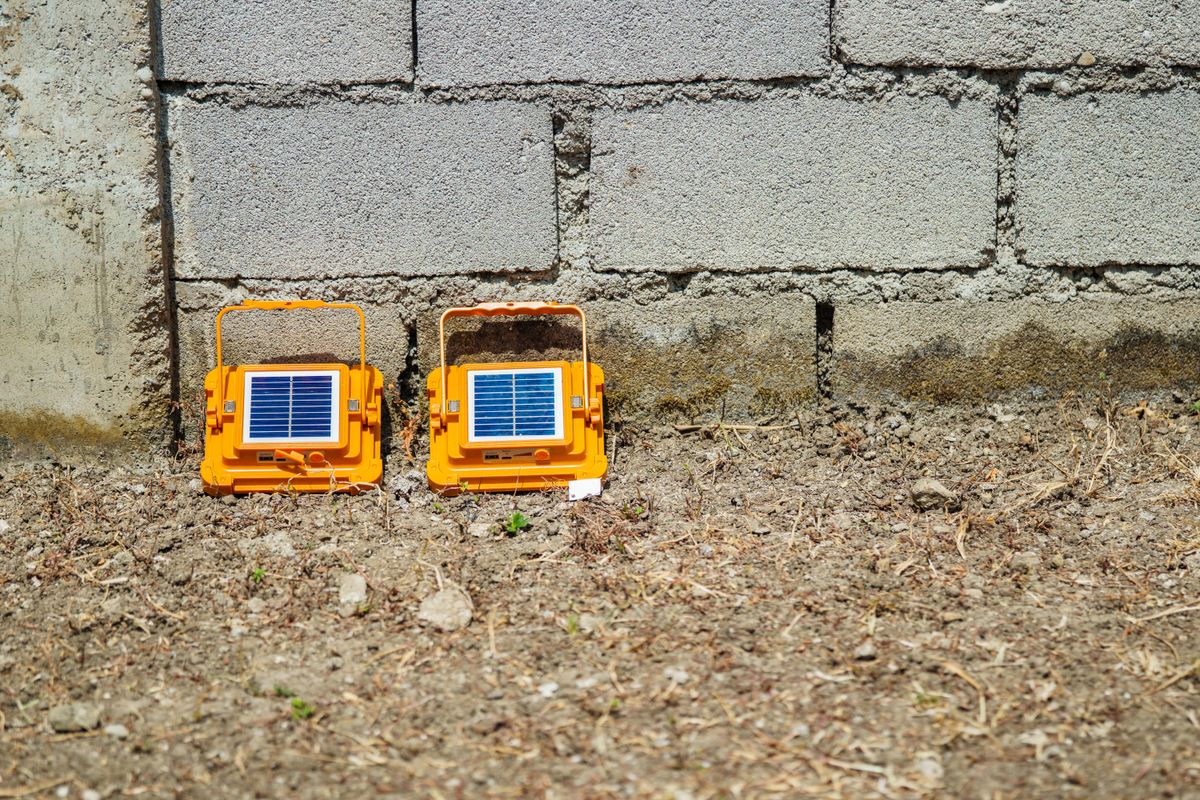
Photo by Nothing Ahead on Pexels
Solar Beetle Swinging Lights utilize LED components that emit wavelengths less likely to trigger the phototactic response common in nocturnal pests. The conventional wisdom suggests that all outdoor lights attract swarms of mosquitoes and moths, but research from DX3 Solar Lighting indicates that most insects—with the exception of butterflies—are not attracted to sunlight or the specific spectrums emitted by modern solar LEDs, but rather to lower levels of other light types. Run the math: a standard 150-lumen lantern, such as those produced by NEBO, provides significantly more light pollution than the targeted, decorative glow of a beetle-shaped light. By utilizing low-luminous flux LEDs, Solar Beetle Swinging Lights provide ambiance without creating a biological beacon for local insect populations. This makes them a superior choice for solar bug garden ornaments compared to high-intensity halogen floodlights. I’ll change my mind when entomological studies show that 3000K solar LEDs attract the same biomass as 60W incandescent bulbs, but current data does not support that claim. Proper placement away from entryways further ensures that any minor insect activity remains localized to the garden bed rather than the patio door.
Quick answers
Q: How long do Solar Beetle Swinging Lights stay illuminated? / A: Under optimal conditions with a full 8-hour charge, the internal Ni-MH battery typically powers the LEDs for 8 to 10 hours. Performance will degrade if the solar panel is obscured by more than 20% by debris or shadows.
Q: Can these lights withstand heavy rain or snow? / A: Solar Beetle Swinging Lights are rated with an IP65 waterproof certification, meaning they can handle rain and low-pressure water jets. However, they should be removed if standing water exceeds 4 inches or during extreme hail to protect the beetle-shaped housings.
Q: Do the beetles actually move on their own? / A: The movement is entirely passive-kinetic, relying on the flexible PVC stalks to react to wind speeds as low as 3 miles per hour. They do not contain internal motors, which preserves battery life for illumination as seen in other kinetic solar garden lights.
Learn more about Solar Beetle Swinging Lights at https://solyrabeetle.com.
Sources
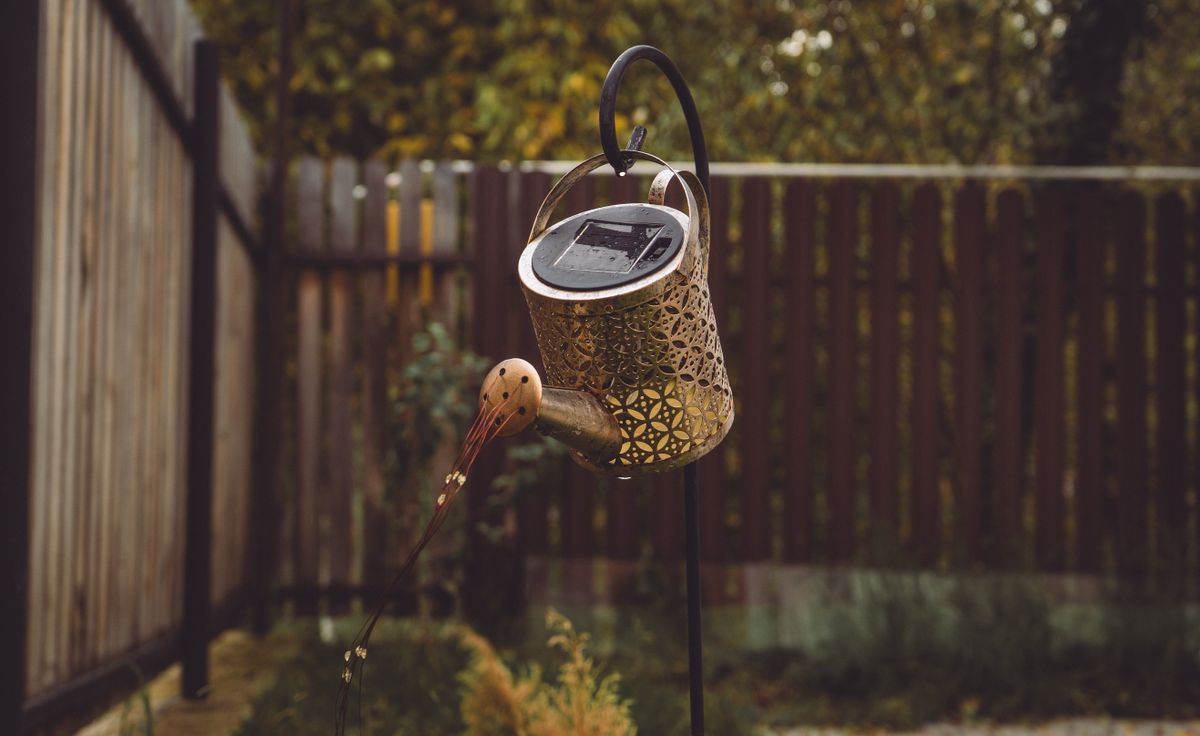
Photo by Gurgenidze G on Pexels
- Bug Solar Garden Light - Etsy
- Pest & Solar Lights - NEBO
- Outdoor Solar Lighting Isn't Attractive…To Insects