
Optimizing Solar Beetle Swinging Lights for Wind Motion
 Maya ChenContributing Editor
October 6, 2026 — The rising consumer demand for kinetic garden features has brought Solar Beetle Swinging Lights to the forefront of the decorative lighting market. While static landscape lighting remains the industry baseline, the shift toward solar powered wind dancing lights reflects a growing preference for organic, unpredictable movement in residential exterior design.
The conventional wisdom says that any flexible stake will provide adequate movement, yet physics suggests otherwise. According to Home Garden Trends, high-quality wind dance solar lights require a specific 6-8 hour charge cycle to maintain their 8-12 hour illumination window, but the mechanical "dance" is entirely dependent on stem elasticity and aerodynamic resistance. While many [swaying solar garden stakes](/blog/swaying-solar-garden-stakes) rely on thin wires that can permanently deform in high gusts, the engineering behind the Solar Beetle line prioritizes a specific tension-to-weight ratio to ensure the LEDs move without tangling.
The Kinetic Calibration Framework
Optimizing the performance of Solar Beetle Swinging Lights requires more than just sunlight; it requires an understanding of micro-climates within a garden. Here's the part nobody talks about: placing these lights in a completely sheltered corner defeats their primary design purpose. To achieve the desired effect seen in a [solar swaying light burst](/blog/solar-swaying-light-burst), the stakes must be positioned in a transitional zone where wind speeds reach at least 3 to 5 mph. Run the math: a light set with too much structural rigidity will remain static until wind speeds reach damaging levels, whereas a light with a soft, flexible stem—like those documented by Pinterest—allows for graceful swaying even in light breezes. Data from Home Garden Trends indicates that a full solar charge of 6-8 hours is the threshold for consistent performance. If the internal battery does not reach this capacity, the weight of the LED cluster may not be counterbalanced by the electromagnetic properties of the circuit during the cooling of the evening, slightly altering the swing cadence. Furthermore, achieving [natural motion with Solar Beetle Swinging Lights](/blog/natural-motion-solar-beetle-swinging-lights) involves spacing the stakes at least 12 inches apart. This prevents the individual light heads from colliding and disrupting the rhythmic oscillation that defines [outdoor solar decorative lights swing in wind](/blog/natural-motion-solar-beetle-swinging-lights). The goal is not chaotic vibration, but a controlled, low-frequency sway that mimics biological movement.
Expert tip: To maximize the lifespan of the flexible stems, avoid manually bending the stakes past a 45-degree angle during installation; the material is designed for wind-driven elasticity, not structural reshaping.
I’ll change my mind when static lighting can replicate the psychological calming effect of variable-frequency motion, but until then, proper placement is the only way to ensure these units perform as advertised.
Shop Solar Beetle Swinging Lights.
Sources
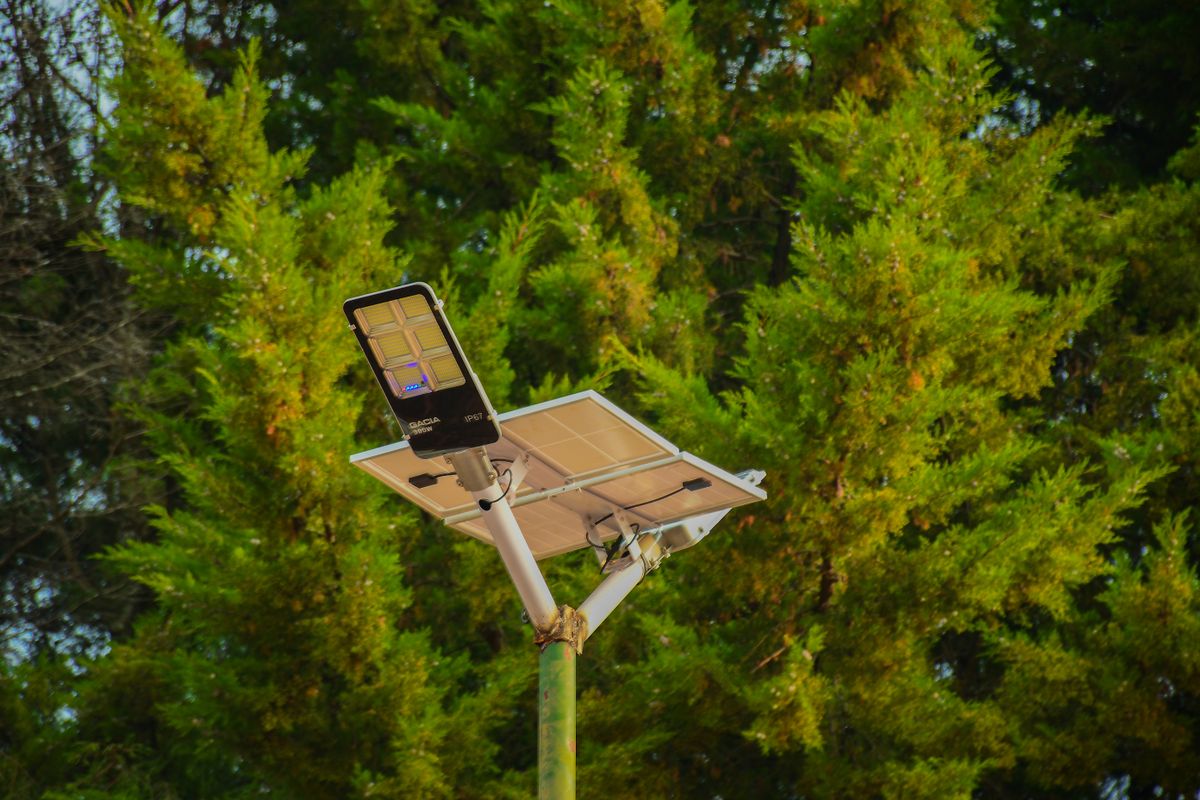
Photo by finix photographer on Pexels
- Wind Dancing Solar Lights - Facebook
- Dancing Ribbon Solar Wind Spinner - Cyan Oasis
- Wind Dance Solar Lights - Pinterest