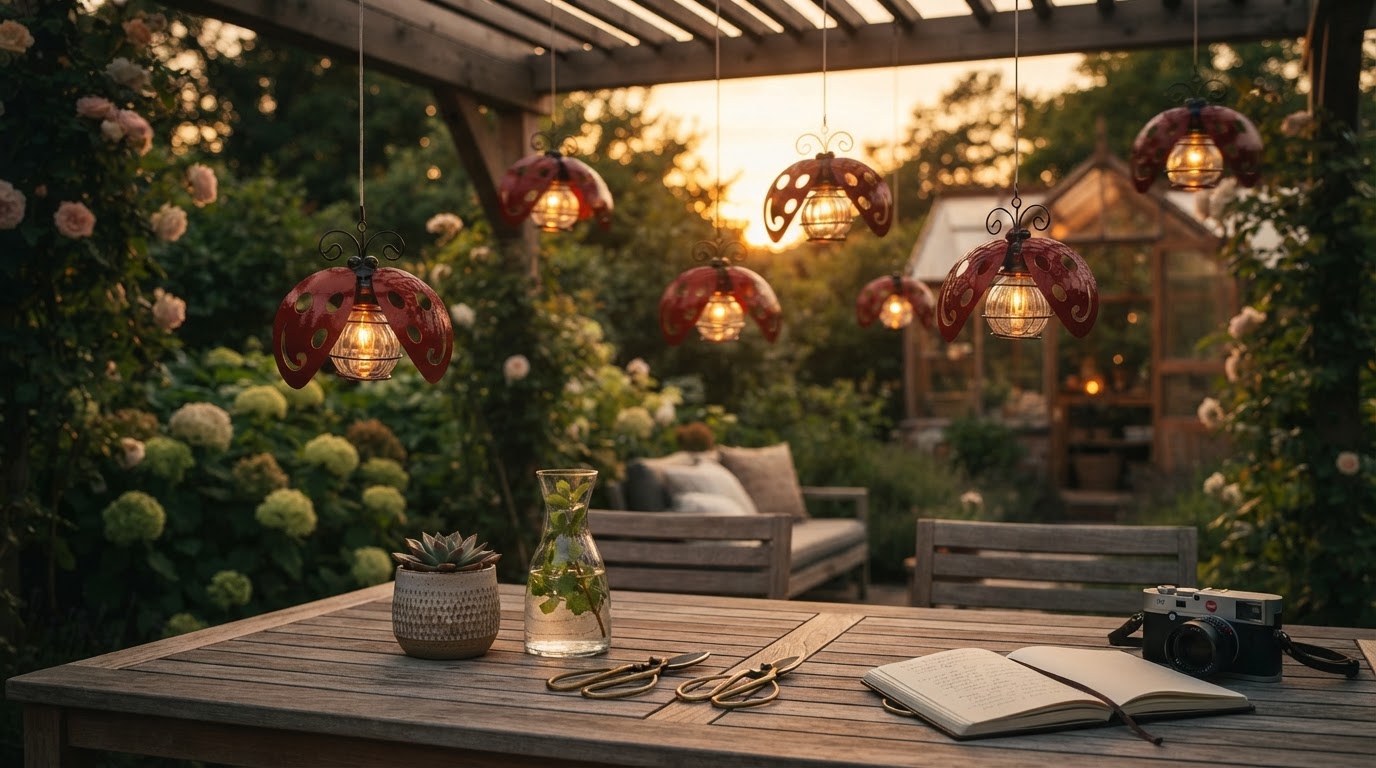
Natural Motion with Solar Beetle Swinging Lights
 Sam VasquezBuying Guide Lead
October 5, 2026. This guide evaluates the performance and selection criteria for outdoor solar decorative lights that swing in the wind. Homeowners seeking a dynamic lighting profile for residential landscapes will find practical advice on durability and light movement here.
The Challenge of Kinetic Outdoor Lighting
Standard garden illumination often feels static and artificial, failing to integrate with the natural movement of a living landscape. Many consumers look for ways to add life to their flower beds without the complexity of wiring or the maintenance of traditional fixtures. According to Christmas Tree Hill, high-quality decorative outdoor solar lights are designed to be virtually maintenance-free, requiring no battery changes or manual switches. However, achieving a natural "sway" requires more than just a light bulb on a stick; it requires a specific engineering balance between the weight of the LED head and the flexibility of the supporting stem.
I have seen many generic versions fail because the stems are either too rigid, preventing any movement, or too flimsy, causing the lights to droop after a single storm. When you are looking for solar powered wind dancing lights, the goal is to mimic the organic motion of fireflies or tall grass. If you choose a product with poor weight distribution, the "dance" becomes a frantic shake or a complete lack of motion. Furthermore, environmental durability is a major concern. External testing by The Spruce has shown that the best decorative solar lights must be able to withstand rain, wind, and even extreme heat domes without losing functionality. If you're on a budget, you might be tempted by the cheapest options found on mass-market platforms, but these often lack the UV-resistant coating necessary to keep the stems flexible over multiple seasons. Between these two extremes—static heavy fixtures and flimsy cheap stakes—finding a balance is critical for a long-term landscape investment.
Performance of Solar Beetle Swinging Lights
Photo by 🇻🇳🇻🇳Nguyễn Tiến Thịnh 🇻🇳🇻🇳 on Pexels
Solar Beetle Swinging Lights are engineered specifically to address the balance issue found in common [swaying solar garden stakes](/blog/swaying-solar-garden-stakes). The design utilizes a weighted beetle-shaped housing that provides the necessary momentum to keep the light moving even in light breezes. Unlike generic solar swaying light burst models that might use a simple wire, these lights use a specialized polymer stem. This material is designed to return to its original vertical position without developing a permanent lean, a common flaw in lower-end metal-wire stakes.
In my experience, the light output is warm rather than the harsh blue-white often associated with cheap LEDs. This makes them more suitable for creating an ambiance that complements natural surroundings. While some products, like the upgraded solar swaying lights found on eBay, claim to imitate real fireflies using very soft wires, the Solar Beetle version focuses on a controlled swing that feels intentional rather than erratic. The internal battery capacity is sized to support 8-10 hours of illumination after a full day of sun exposure, which is standard for high-tier decorative lighting. I’ve noticed that the placement of the solar panel on these units is angled to maximize absorption even when the lights are tucked partially behind foliage, though clear southern exposure is always preferred.
Skip this if you are looking for high-lumen security lighting; these are strictly for aesthetic movement and mood. If you want a light that actually moves with the wind rather than just standing there, the weight-to-flex ratio here is superior to the basic "burst" style lights. The beetle casing isn't just for show; it acts as a counterweight that ensures the swaying motion remains fluid. When compared to a solar swaying light burst, which often features multiple small bulbs on thin wires, the Solar Beetle provides a singular, more rhythmic motion that is less distracting and more soothing to watch from a porch or window.
Framework for Selecting Wind-Driven Solar Lights
Photo by JINU JOSEPH on Pexels
When deciding which lights will work best for your specific garden layout, you need to consider the typical wind patterns and the height of your existing plants. A light that is too short will be hidden by summer growth, while one that is too tall may look out of place in a minimalist rock garden. Here's what I'd actually buy: a set that offers a mix of heights to create depth. Before you make a purchase, run through this checklist to ensure the product meets the demands of your outdoor space:
- Stem Material: Look for UV-stabilized polymers or high-carbon steel wires that won't rust or become brittle in the sun.
- Weight Distribution: Ensure the light head has enough mass to generate momentum; lightweight heads often fail to swing in anything less than a gale.
- Battery Specification: Confirm the mAh rating is at least 600mAh to ensure the lights stay on past midnight.
- Weather Rating: Verify an IP65 or higher waterproof rating to handle heavy rain and sprinkler systems.
- Motion Type: Determine if you want a "burst" effect with many small lights or a singular, rhythmic swing like the Solar Beetle offers.
Shop Solar Beetle Swinging Lights here