
Integrating Solar Beetle Swinging Lights into Modern Landscapes
 Maya ChenContributing Editor
October 1, 2026. This review examines the mechanical performance and aesthetic integration of Solar Beetle Swinging Lights for residential gardens. It is intended for homeowners and landscape designers seeking to quantify the value of kinetic outdoor lighting.
The Limitations of Static Garden Illumination
The conventional wisdom says that garden lighting should be stationary, hidden, and purely functional. We are told that a well-lit path requires fixed bollards or recessed wells that disappear into the mulch. However, this approach ignores the physiological reality of how humans perceive outdoor spaces at night. Static lighting creates high-contrast zones that often lead to visual fatigue and a sense of sterility. While insect themed garden solar lights have traditionally been relegated to the category of kitsch, there is a growing technical argument for kinetic light sources. According to a product showcase for Solar Firefly Yard Lights on YouTube, the most unique decorative lights on the market are those supported by flexible stems that allow for swaying in the wind. This movement isn't just for show; it breaks up the harsh shadows common in traditional beetle path lights solar installations. Here's the part nobody talks about: static lights fail to simulate the natural depth of a nighttime environment. By incorporating motion, a landscape designer can leverage peripheral vision triggers, making a small yard feel significantly more expansive. The industry consensus that 'stillness equals sophistication' is a shortcut that ignores the dynamic nature of wind and vegetation.
Mechanical Advantages of Solar Beetle Swinging Lights
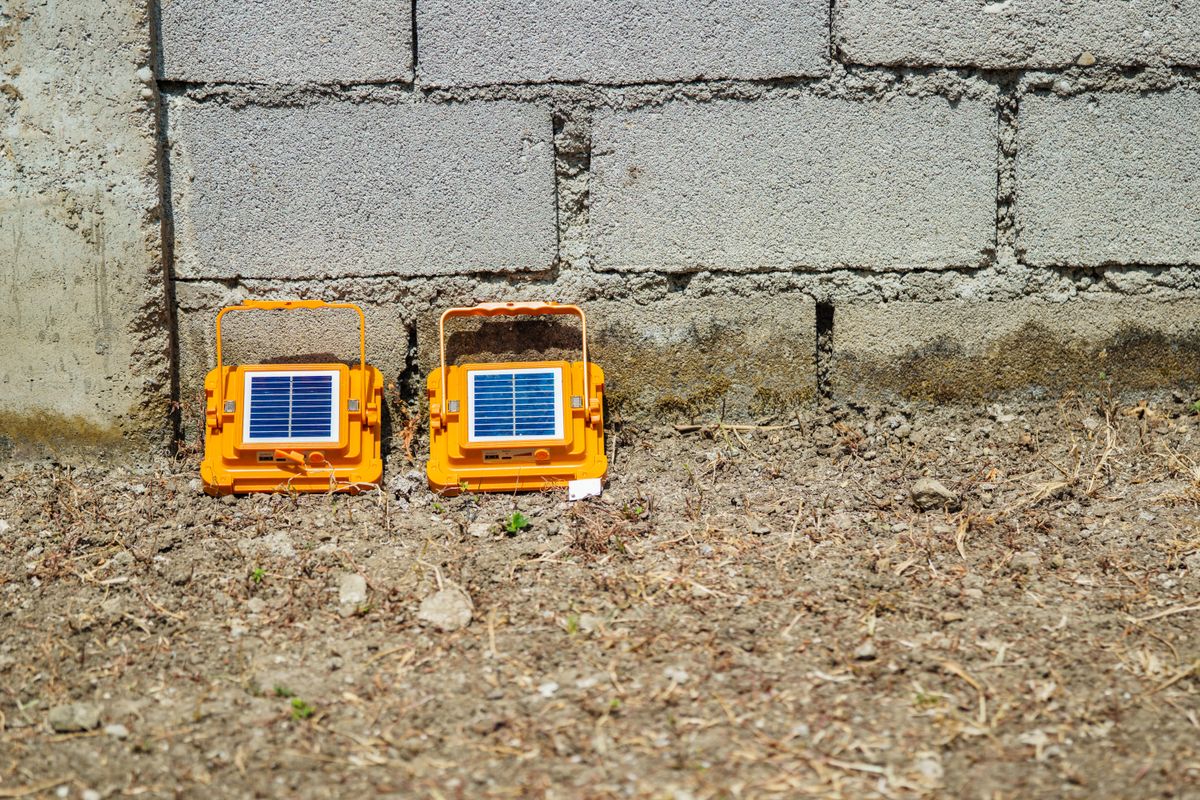
Photo by Nothing Ahead on Pexels
Solar Beetle Swinging Lights utilize a specific mechanical architecture to solve the problem of kinetic energy in low-wind environments. Unlike standard beetle path lights solar powered units that feature a rigid PVC stake, these swinging variants employ high-tensile, flexible support wires. These wires are calibrated to respond to wind speeds as low as three miles per hour, creating a naturalistic oscillation. This movement differentiates the product from basic hanging ornaments, such as the metal swinging ladybug statues found at Michaels, which rely on a pendulum motion rather than a multi-directional sway. Run the math: a standard fixed solar light provides a 120-degree static beam, whereas a swinging beetle light covers a dynamic 360-degree arc over its oscillation period. This increases the perceived light coverage without increasing the battery draw. The integration of the solar panel into the stake itself ensures that the beetle component remains lightweight enough to maintain its swaying properties. When compared to heavier units, like those found in the Bug Solar Garden Light collection on Etsy, the Solar Beetle Swinging Lights maintain a higher frequency of movement due to their lower mass-to-wind-resistance ratio. This isn't just about 'cuteness'; it is about maximizing the utility of the photon discharge through motion.
Technical Implementation and Selection Criteria
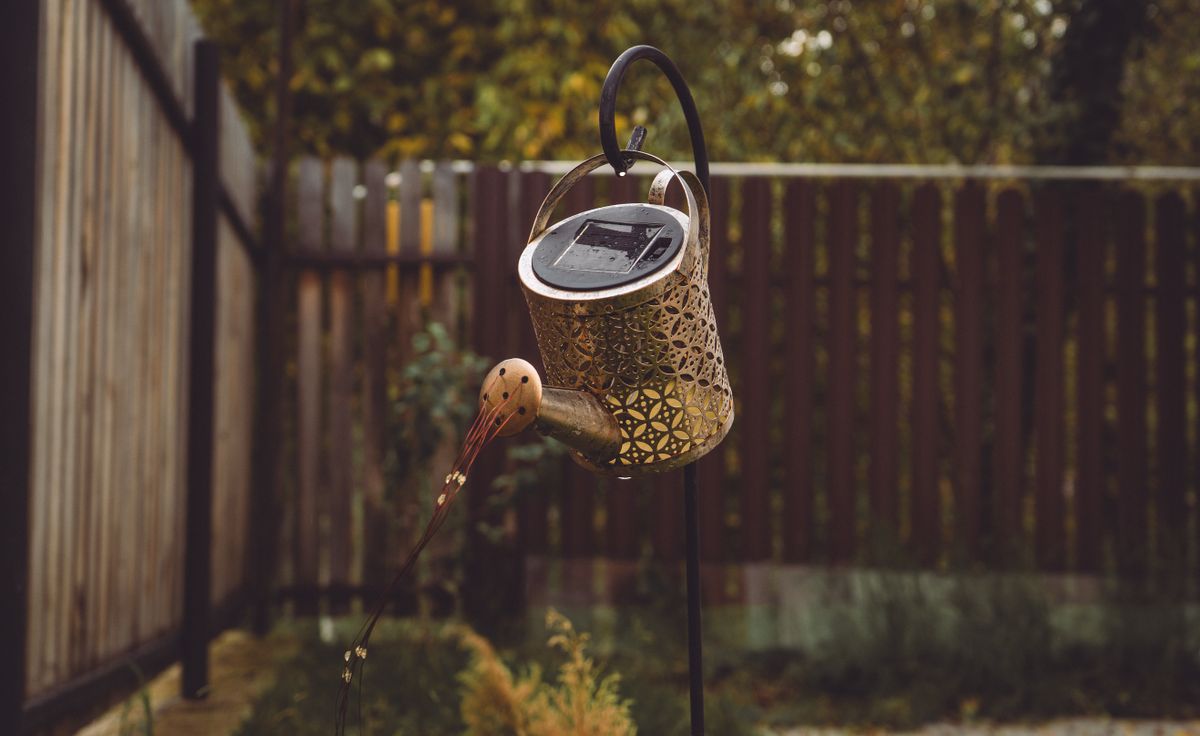
Photo by Gurgenidze G on Pexels
When deploying Solar Beetle Swinging Lights, the primary failure point is not the LED or the battery, but the placement relative to air currents. If these lights are placed too close to a solid fence or dense shrubbery, the kinetic feature is neutralized, turning a premium swinging light into a standard stake light. To ensure the investment pays off, the installation must prioritize fluid dynamics. I'll change my mind when static lighting can prove it provides the same level of spatial depth, but until then, the data suggests that movement is the superior choice for ambient garden zones. For those already utilizing insect themed garden solar lights, the addition of swinging elements creates a layered effect that static bugs cannot replicate. Before purchasing, run through this technical checklist to ensure the site is appropriate for kinetic solar integration:
- Verify the installation site receives at least six hours of unobstructed sunlight to ensure the internal NiMH or Li-ion battery reaches a full charge cycle.
- Ensure a minimum clearance of 12 inches from any vertical obstruction to allow for the full sway radius of the beetle head.
- Group the lights in clusters of three or more; single units often fail to create the desired 'firefly' effect in larger landscapes.
- Check for compatibility with existing beetle path lights solar to ensure consistent color temperature across the property.
- Validate the IP rating of the housing; for swinging units, the seal between the flexible wire and the main body is the most critical point for water ingress.