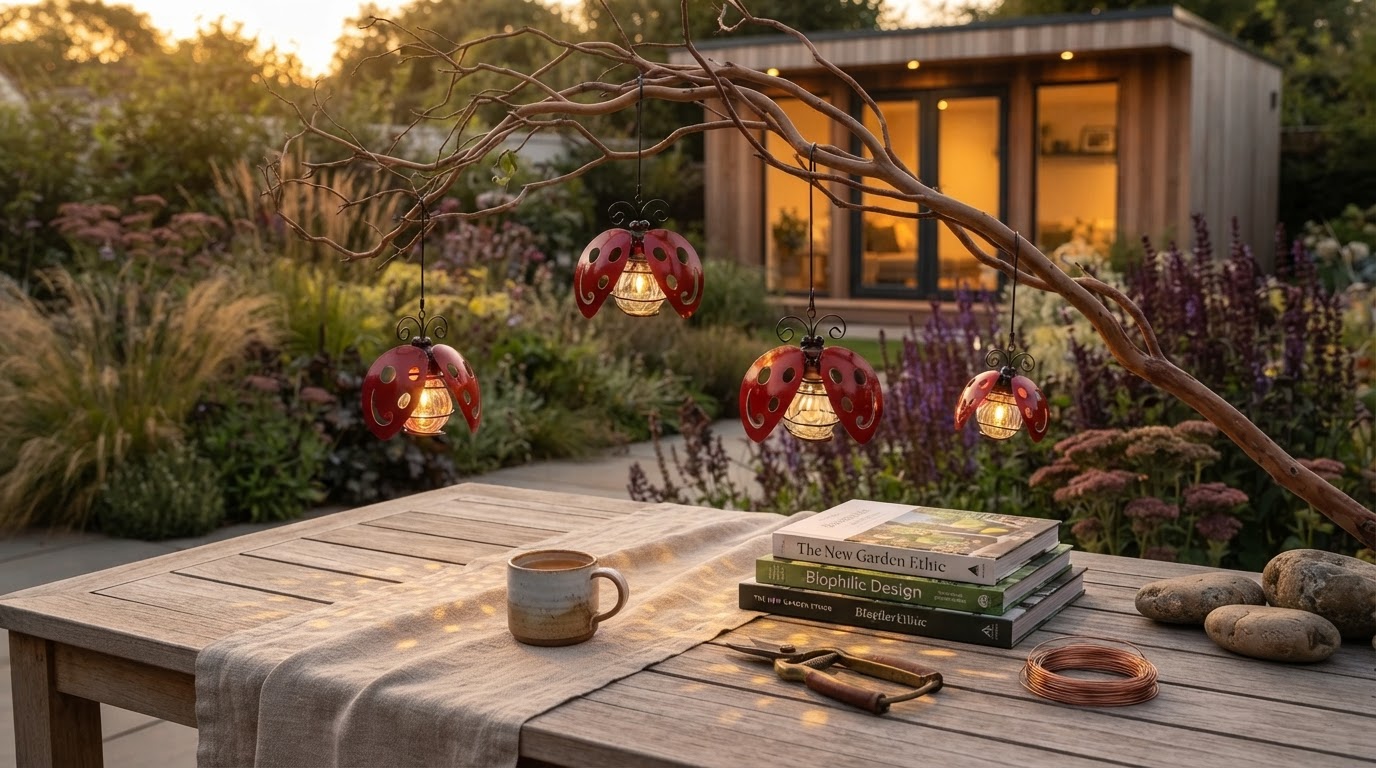
Integrating Solar Beetle Swinging Lights into Modern Gardens
 Jordan HaleStaff Writer
October 9, 2026. This guide explores the technical and aesthetic integration of wind-responsive illumination for homeowners seeking sustainable outdoor ambiance. It is written for property owners looking to transition from static lighting to dynamic, biological-mimicry designs.
I remember standing on my back porch last July, watching the heavy, humid air settle over the hydrangeas. The yard was dark, save for the harsh, blue-white glare of a traditional security floodlight that stripped the garden of its depth. It felt clinical, not like a home. There is a specific kind of frustration that comes with spending hours pruning and planting, only to have the landscape disappear into a flat, black void the moment the sun dips below the horizon. According to Homes and Gardens, many homeowners are now turning toward firefly-style lighting to reclaim these spaces, seeking a warm glow that feels enchanting rather than industrial. The problem with most standard solar stakes is their rigidity; they stand like tiny, unmoving soldiers, failing to capture the fluid motion of a living ecosystem. When the wind picks up, static lights look out of place, clashing with the natural rhythm of swaying branches and rustling leaves. This lack of movement is what often breaks the illusion of a whimsical solar backyard lighting scheme, leaving the garden feeling staged. I wanted something that felt like it belonged to the wind, something that didn't just light up a path but lived within it. The search for a light that could mimic the erratic, soft bobbing of a lightning bug led me toward a more flexible approach to outdoor design.
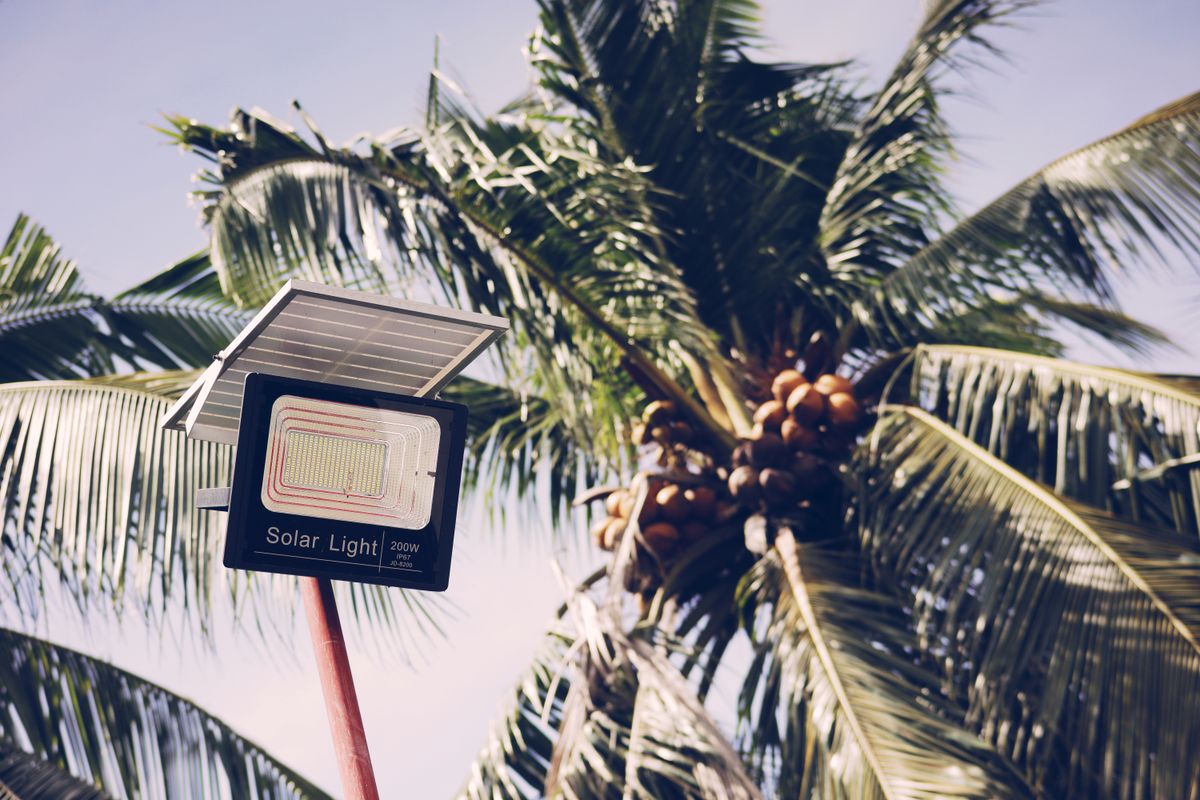
Photo by Nothing Ahead on Pexels
The first thing I noticed was the weight of the Solar Beetle Swinging Lights in my hand. Unlike the brittle plastic alternatives I had cycled through in previous seasons, these units felt balanced, designed specifically to catch the breeze without snapping. It turns out that the secret to the firefly effect isn't just the bulb, but the specialized wire that supports it. These lights are engineered to respond to even the slightest air current, allowing the glowing orbs to dance independently of one another. When I installed them among my ornamental grasses, the transformation was immediate. They didn't just illuminate the grass; they became part of its movement. This dynamic quality is essential when you are trying to create unique solar garden ornaments that don't look like mass-produced plastic. The Solar Beetle units utilize high-efficiency monocrystalline solar panels, which is a significant upgrade from the polycrystalline panels often found in cheaper sets. This ensures that even on overcast days in late autumn, the internal batteries gather enough energy to sustain that characteristic warm glow well into the night. The light temperature is calibrated to a soft, amber hue, avoiding the harsh artificiality of cool-toned LEDs. This specific warmth is what helps the lights blend seamlessly into a larger solar fairy lights for garden decoration project, providing a grounding, rhythmic pulse that ties different zones of the yard together. Somewhere around week two, I realized I had stopped thinking of them as fixtures and started seeing them as a natural extension of the garden’s evening personality.
Choosing the right placement for these lights requires a departure from traditional pathway lining. To get the most out of the swaying mechanism, you have to consider the airflow of your specific microclimate. I keep coming back to the idea of layering; placing these lights at varying depths within a flower bed creates a sense of three-dimensional space that static lights simply cannot achieve. If you are building a whimsical solar backyard lighting environment, you want the light to peek out from behind foliage, appearing and disappearing as the wind moves the leaves. This mimics the behavior of actual fireflies, which rarely sit out in the open. As noted in a Solar Firefly Lights Review on YouTube, these lights work best when they are allowed to sway freely, so avoiding overcrowded clusters is key to maintaining the illusion of flight. When you are planning your layout, look for areas where the ground is soft enough for deep stake penetration but firm enough to provide a pivot point for the swinging stems. You should also ensure that the solar panels are angled toward the southern sky, unobstructed by the very plants the lights are meant to illuminate. This balance of concealment and exposure is what separates a professional-looking installation from a cluttered one. By treating these lights as part of your unique solar garden ornaments collection, you can create a nighttime landscape that feels both curated and wild. If you are also incorporating solar fairy lights for garden decoration on your fences or trees, these swinging lights provide the necessary movement at the ground level to complete the visual circuit.
- Prioritize flexible PVC-coated wire stems for maximum swing range.
- Select monocrystalline solar panels for faster charging in low-light conditions.
- Ensure a waterproof rating of at least IP65 to withstand heavy rain and frost.
- Position stakes at least 12 inches apart to prevent stem entanglement during high winds.
- Clean the solar surface monthly with a damp cloth to maintain energy absorption efficiency.
- Integrate lights into mid-height vegetation like ferns or lavender for a natural look.
Shop Solar Beetle Swinging Lights here.